

UAE travel: Eid flights gets costlier as airlines raise fares and cut routes
Limited services continue across major regional corridors
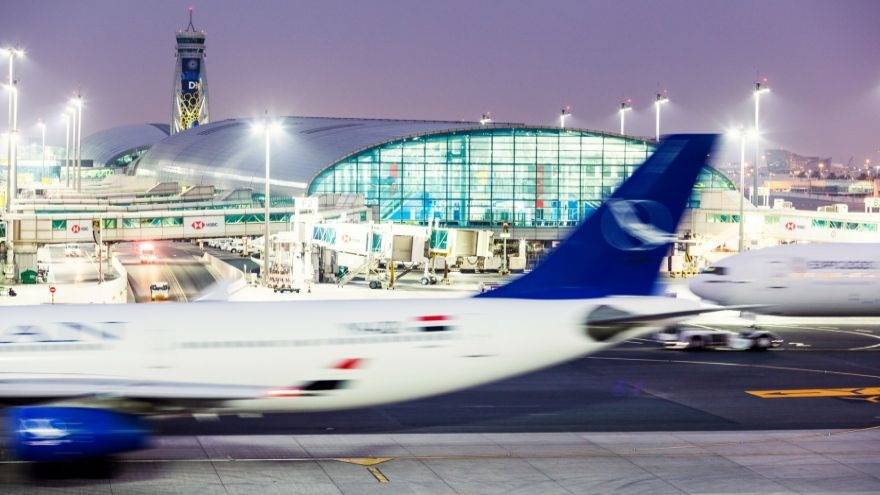
DUBAI – UAE travellers planning trips for Eid are facing a tighter and more expensive market, as international airlines extend suspensions across the Middle East, raise fares and introduce fuel surcharges in response to the Iran crisis.
The disruption has spread across major aviation corridors linking the Gulf with Europe, North America and Asia, leaving passengers with fewer direct options and stronger upward pressure on ticket prices.
UAE travel
For passengers flying from Dubai and Abu Dhabi, the impact is being felt across both regional and long-haul routes. Several foreign carriers have suspended services to the UAE or wider Gulf destinations, while others are operating reduced schedules. At the same time, the jump in jet fuel prices has added to airline costs worldwide, encouraging carriers to revise fares, add surcharges or cut capacity during one of the busiest travel periods of the year.
Airfare pressure is especially visible ahead of Eid Al Fitr, when travel demand from the UAE traditionally rises sharply. Routes to London, Europe, North America, India, Pakistan and major Asian cities are among those seeing the biggest strain, with last-minute bookings particularly affected as available seats tighten.
For UAE-based travellers, the biggest immediate challenge is reduced choice. Carriers that would normally provide important links through European, Turkish, Asian and American hubs have either suspended flights entirely or limited their schedules, narrowing the range of convenient itineraries available from the Emirates. That is pushing more demand towards the services still operating, particularly on popular Eid holiday.
Emirates and Qatar Airways are continuing generally limited services until the end of April, helping maintain connectivity through Gulf hubs, but travellers should still expect tighter schedules and less flexibility than usual. Across the wider market, airfares from the UAE and GCC have been projected to rise by as much as 30 per cent on some routes, particularly where supply is constrained and fuel surcharges have been added.
British Airways
British Airways has suspended flights to Dubai, Abu Dhabi, Amman, Bahrain and Tel Aviv until May 31, and to Doha until April 30. For UAE travellers, that removes an important premium option through London and reduces available capacity on a key Europe corridor. The main effect is reduced availability rather than an announced airline-specific fare surcharge.
Lufthansa
Lufthansa has halted flights to Dubai, Abu Dhabi, Amman, Beirut and Erbil until March 28, to Riyadh until April 5, to Tel Aviv until April 9 and to Tehran until April 30. Its suspension affects both direct Gulf access and wider European connections often used by UAE passengers. No specific surcharge has been outlined, but the loss of capacity adds to fare pressure on alternative services.
SunExpress
SunExpress has suspended flights to Dubai and Bahrain until March 23. Although no separate fare increase has been announced, the removal of flights during a peak travel period further tightens seat supply on affected routes.
KLM
KLM has halted flights to Dammam, Riyadh and Dubai until March 28, and to Tel Aviv until April 11. The suspension reduces another European option for passengers travelling to and from the UAE, particularly those relying on Amsterdam as a connection point.
Eurowings
Eurowings has suspended flights to Amman until March 22, Erbil until March 28, Beirut until March 29, Tel Aviv until April 2, and Abu Dhabi and Dubai until June 27. The longer suspension to the UAE stands out among European carriers and is likely to keep pressure on replacement fares over an extended period.
Swiss
Swiss has halted flights to Dubai until March 28 and to Tel Aviv until April 9. While no separate fare increase has been detailed, the reduction in Swiss services adds to the wider fall in European seat capacity serving the Gulf.
airBaltic
airBaltic has suspended flights to Dubai until late October. That makes it one of the longest route interruptions announced so far and removes another travel option for UAE-Europe traffic well beyond the Eid period.
Delta Air Lines
Delta Air Lines has suspended flights to Tel Aviv until April 30 and said the rise in jet fuel prices has added about $400 million to its March costs. The airline is among those moving to recover part of that increase through higher fares. Even where UAE routes are not directly affected, travellers connecting onwards to North America may feel the impact through firmer pricing across long-haul markets.
American Airlines
American Airlines has halted flights to Tel Aviv, Abu Dhabi, Amman, Bahrain, Doha, Dubai and Larnaca until May 31. It has also reported about $400 million in higher first-quarter fuel expenses. The airline is adjusting fares in response to the cost surge, while the suspension removes another major network option for UAE-US and UAE-Europe connecting traffic.
United Airlines
United Airlines has suspended flights to Dubai and Tel Aviv until April 19. It has also indicated that high fuel prices could lead to cuts in less profitable flying. No specific surcharge has been announced, but reduced capacity and network adjustments are likely to support higher fares on comparable routes.
Turkish Airlines
Turkish Airlines has suspended flights to Iran, Iraq, Syria, Lebanon, Jordan, Qatar, the UAE, Kuwait and Bahrain until the end of March. Given Istanbul’s importance as a major transit hub, the suspension has disrupted a wide range of travel options for UAE passengers heading to Europe, North America and other destinations. No airline-specific fare increase has been detailed, but the operational impact is substantial.
SalamAir
SalamAir has halted flights to Iraq, Lebanon and Iran until April, and to Kuwait, Doha and Dammam until March 31. The move reflects the strain on regional airlines that rely on short- and medium-haul Middle East routes.
Oman Air
Oman Air has suspended flights to Dubai, Amman, Bahrain, Doha, Dammam, Kuwait, Copenhagen, Baghdad and Khasab until March 31. For UAE travellers, that removes a nearby regional option often used for short-haul Gulf travel and onward connections.
Singapore Airlines
Singapore Airlines has suspended flights to Dubai until March 28 and to Jeddah until March 17. The reduction affects one of the established premium long-haul choices for travellers heading east from the UAE.
Emirates
Emirates is continuing generally limited services until the end of April. While no separate fuel surcharge has been announced in the information available, reduced schedules and strong demand are contributing to higher market fares from the UAE, particularly on busy holiday routes.
Qatar Airways
Qatar Airways is also continuing generally limited services until the end of April. As with Emirates, no specific surcharge increase has been detailed here, but limited regional capacity is helping keep fares elevated on routes that remain in operation.
IndiGo
IndiGo has introduced fuel charges on all new bookings from March 14, with a surcharge of ₹900 on Middle East routes, including UAE sectors. The airline has also added ₹425 on domestic and Indian subcontinent routes, ₹1,800 on Southeast Asia and China, ₹1,800 on Africa and West Asia, and ₹2,300 on European routes. For UAE travellers flying to India, this is one of the clearest examples of a direct fare increase linked to the fuel surge.
Air India
Air India has expanded fuel surcharges across its domestic and international network. Its surcharge on West Asia and Middle East routes has been maintained at $10, while longer-haul charges have risen to $60 for Southeast Asia, $90 for Africa, $125 for Europe, and $200 for North America and Australia. The move is significant for UAE passengers, particularly those using India as a direct destination or onward connection point.
Pakistan International Airlines
Pakistan International Airlines has increased fuel surcharges by $20 on domestic flights and by up to $100 on international services after reporting a 34 per cent rise in fuel costs. More broadly, airlines in Pakistan have raised fares by around 10 to 14 per cent because of higher operating costs, longer routes and airspace restrictions. This is directly relevant for UAE travellers, given the heavy volume of passenger traffic between the UAE and Pakistan.
Cathay Pacific and HK Express
Cathay Pacific and HK Express have roughly doubled fuel surcharges on most routes. For example, the surcharge on Hong Kong-Europe flights purchased in Hong Kong has risen from HK$569 to HK$1,164. The group has also suspended flights to Dubai and Riyadh in March, combining higher charges with reduced service.
Hong Kong Airlines
Hong Kong Airlines has also raised fuel surcharges on most of its flights. Although route-specific figures have not been detailed here, the carrier’s move reflects the wider Asian response to sharply higher jet fuel prices.
Qantas
Qantas has said it will raise international ticket prices by about 5 per cent on average after recent increases in jet fuel costs. While it does not affect UAE traffic as directly as South Asian and Gulf carriers, it shows how the fare impact of the crisis has spread well beyond the Middle East.